

Repetition has a reputation problem in creative work. It’s often misunderstood as a lack of ideas or range. But in serious painting practice, repetition is rarely about sameness, it’s more about refinement.
Many artists return to the same motifs, subjects, colour relationships, or compositional structures across multiple works. This isn’t creative limitation. It’s a deliberate method for building depth, clarity, and mastery over time.
Strong bodies of work are usually not built from constant subject changes, but from sustained exploration.
Repetition is a method, not a shortcut
When artists revisit a subject (for example a landscape structure, a floral form, a recurring interior element, a particular light condition) each iteration becomes a controlled experiment.
Variables shift: colour temp, brush handling, mark density, surface texture, contrast and restraint.
The motif stays recognisable, but the decisions evolve. Instead of restarting visually each time, the painter builds forward from accumulated knowledge. Repetition turns painting into inquiry rather than performance.
In my own studio practice, I often notice this most clearly when I return to a subject too quickly, before I feel “finished” with it. A hillside, a stand of trees, or a floral arrangement might appear again within days. The second version is rarely easier, but it is more decisive. I’m less distracted by novelty and more focused on structure and balance.
I once painted the same floral grouping three times in a fortnight with each version simplified further. The final painting had fewer marks but more presence.
Why motifs reappear in serious painting practices
Recurring motifs appear across both historical and contemporary painting for consistent reasons:
Technical refinement
Repeating a subject allows artists to solve increasingly subtle technical problems - edges, colour balance, spatial compression, and gesture.
Visual language building
A recognisable motif becomes part of an artist’s visual vocabulary. Over time, this creates authorship and recognisability.
Controlled experimentation
With the subject held steady, artists can experiment more boldly with process and material.
Emotional continuity
Subjects worth repeating are usually subjects that hold meaning. That meaning deepens through revisiting rather than novelty.
Historical examples of returning to the same subjects

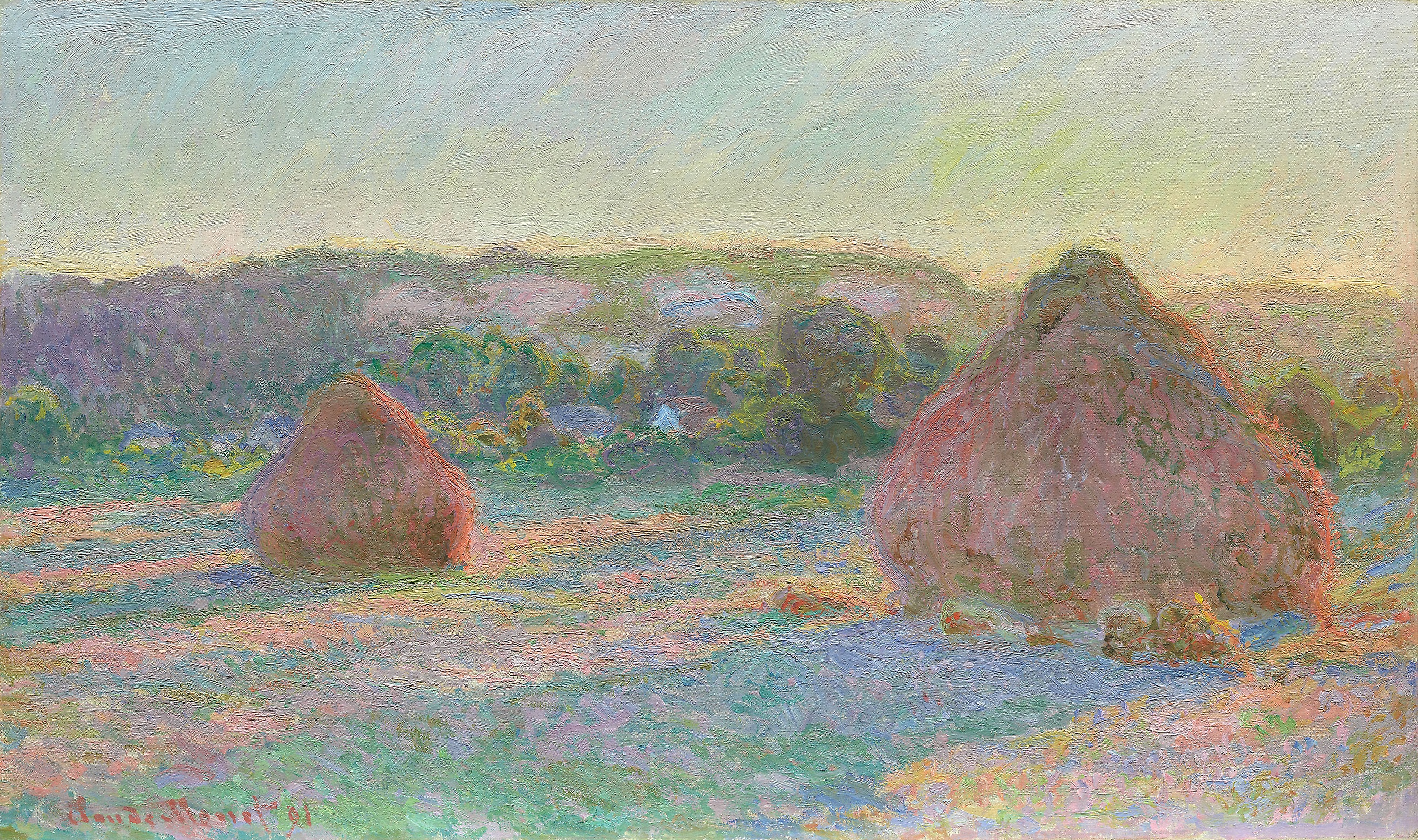

A well-known example is Claude Monet, who painted the same haystacks, water lilies, and cathedral facades repeatedly across different light and atmospheric conditions. The subject was constant; perception was not.
Each painting became a study in variation - light, season, time of day, and colour vibration. The repetition was not redundancy. It was investigation. Today, these series are valued precisely because they show sustained exploration rather than isolated success.
A different kind of repetition
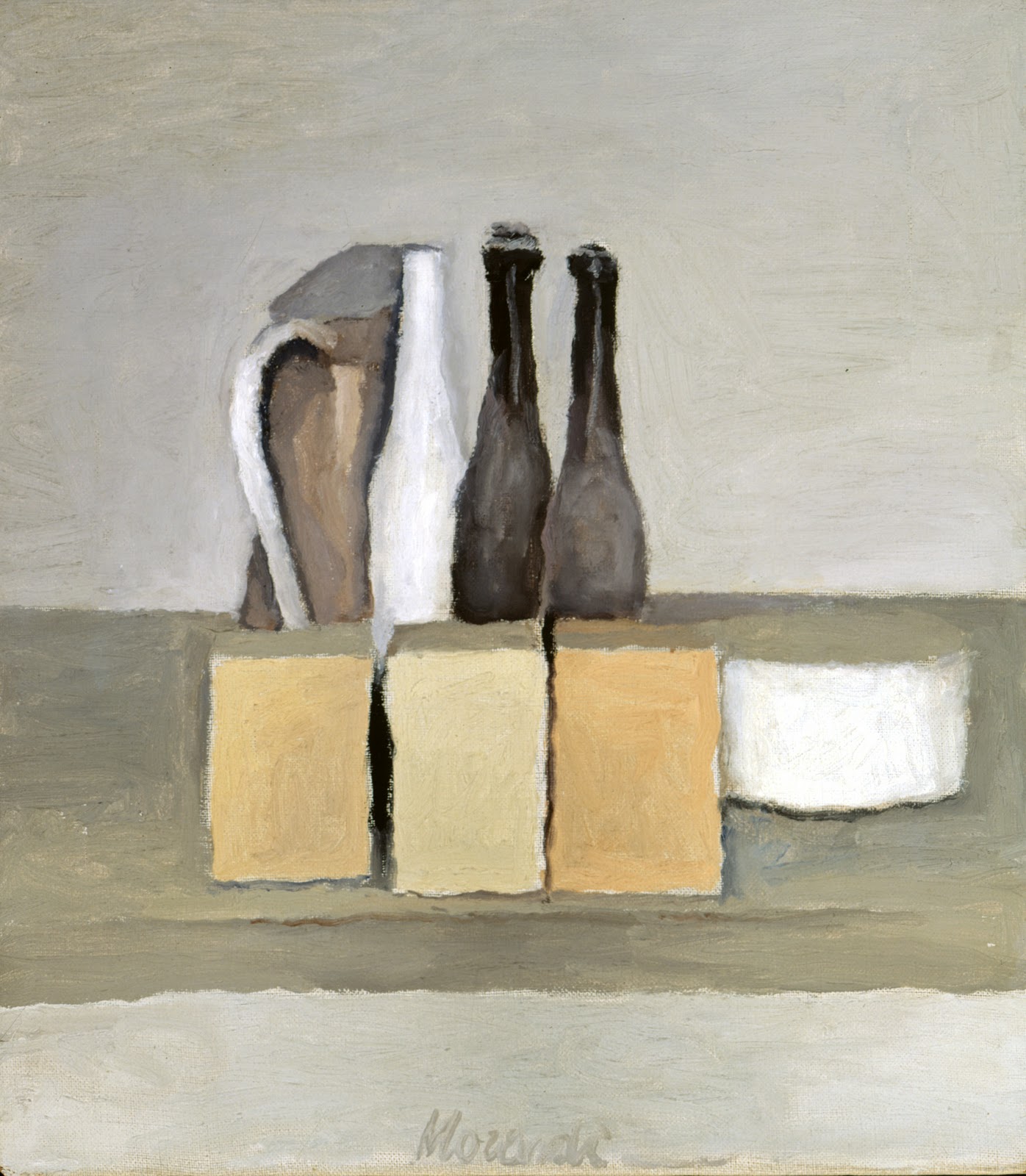
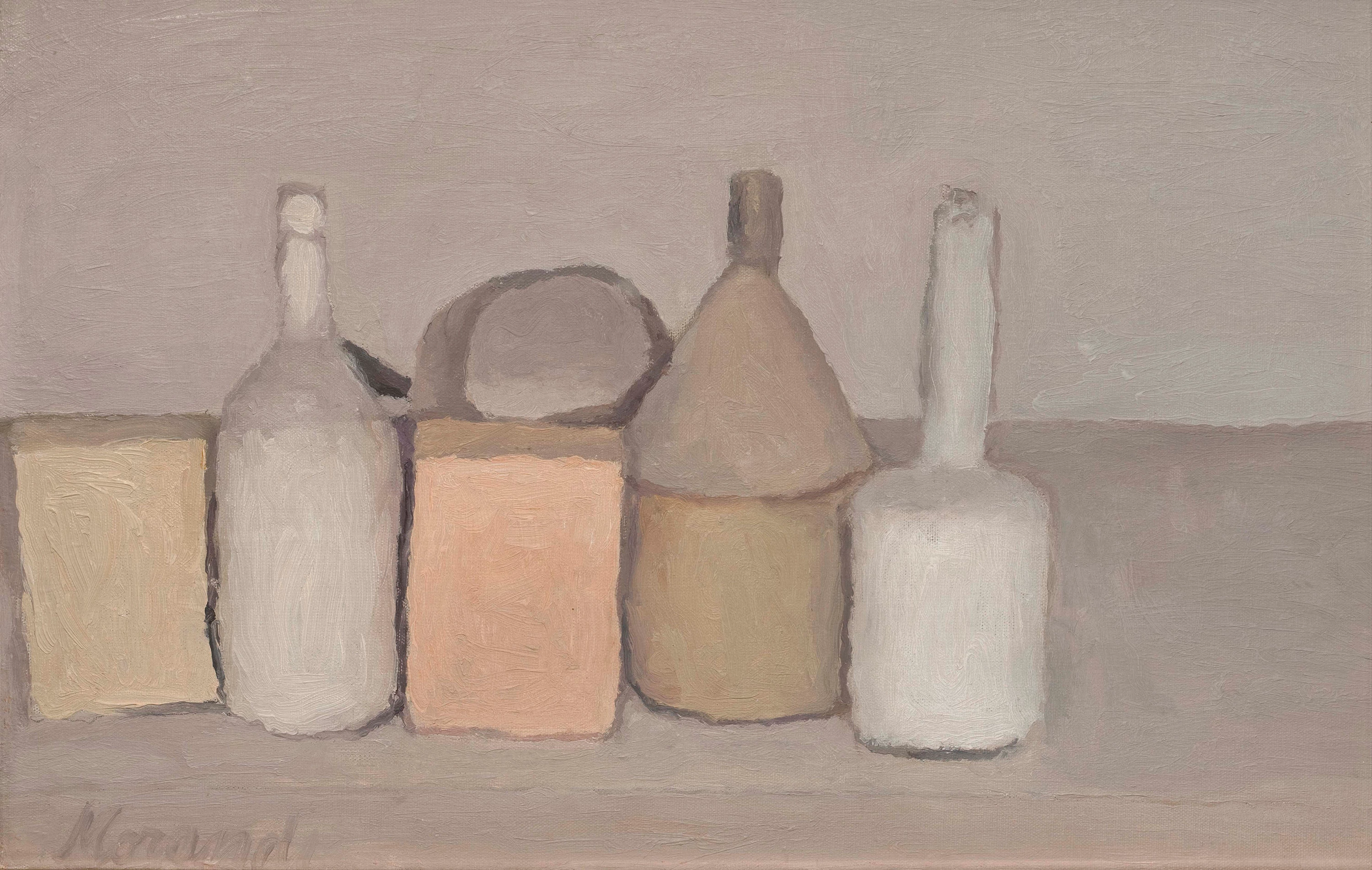

By contrast, Giorgio Morandi painted quiet still lifes of bottles and vessels across decades. The compositions are subtle, restrained, and closely related. The repetition allowed him to refine tonal relationships and spatial tension to an extreme degree.
The power of the work comes from cumulative sensitivity, not subject variety.
What changes across a repeated series
To a casual viewer, repeated motifs can look similar. To a trained eye, the differences are where the value sits.
Across a repeated subject series, you often see:
-
greater compositional editing
-
more confident mark placement
-
improved colour restraint
-
clearer focal hierarchy
-
more intentional negative space
-
stronger surface decisions
These gains are cumulative. They rarely appear fully formed in a single attempt.
In practice, this can feel so so slow from the artist’s side (definitely for me!). Progress is often only visible when several works are viewed together. One painting teaches the next.
Why this matters to collectors
For collectors, repetition in an artist’s work is a signal of direction and commitment. It suggests sustained investigation rather than trend-following.
Repeated motifs and series also create natural cohesion when multiple works are placed within a home. The pieces relate structurally and rhythmically, even when each painting remains distinct. This produces collections that feel intentional rather than assembled.
Collectors who acquire works from within a motif series from one artist are often seeing artistic evolution in motion with each piece representing a stage of refinement.
Depth is built through return
Depth in painting is rarely produced through constant change alone. It is more often built through return - to a subject, a structure, or a question - with improved sensitivity each time.
In the studio, repetition does not feel like standing still. It feels like narrowing focus enough to see more clearly.
If you’d like to follow how my motifs evolve and series develop over time, you can subscribe to the Studio Letters, where I share both finished works and the thinking behind them.